



Where History Lives: Part 23
WHERE HISTORY LIVES PART 23: tHE cROTON aQUEDUCT: THE OLD THE NEW, AND THE TRAIL
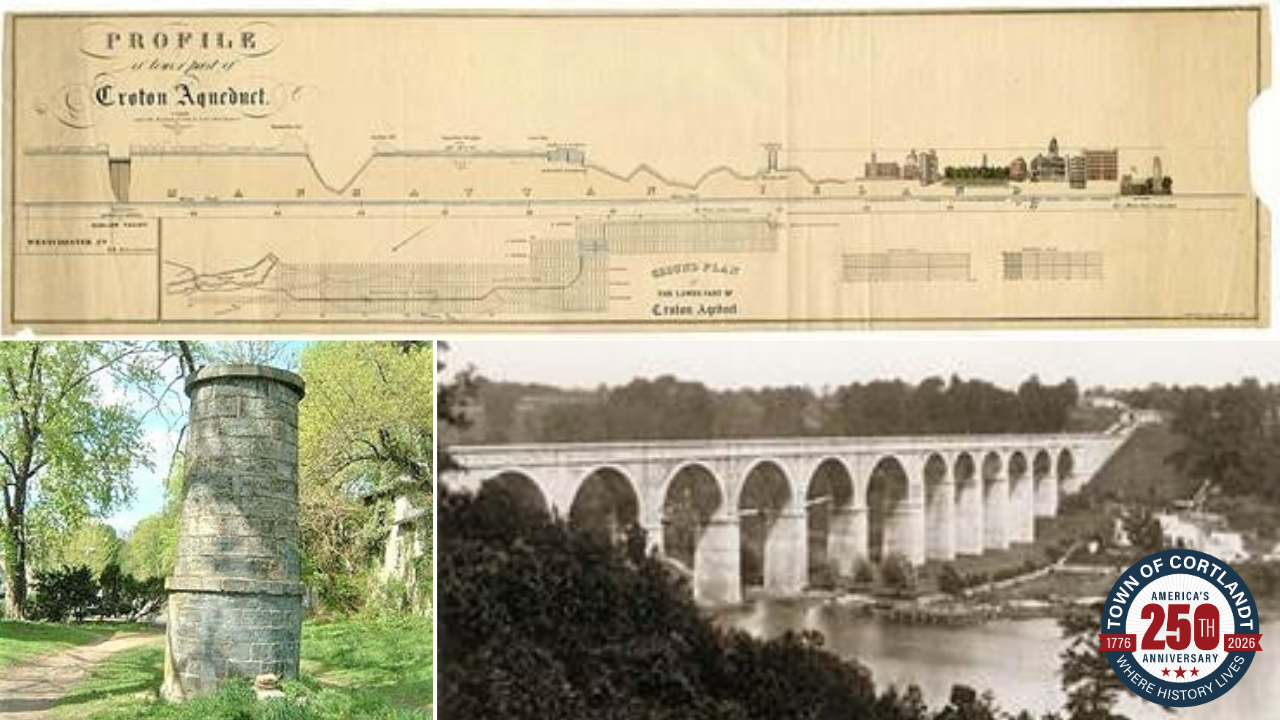
The “Old” Croton Aqueduct: was a large and complex water distribution system constructed as part of the New York City water supply system between 1837 and 1842. The aqueducts, which were among the first in the United States, carried water by gravity 41 miles (66 km) from the Croton River in Westchester County to reservoirs in Manhattan. It was built because local water resources had become polluted and inadequate for the growing population of New York City and the Old Croton Aqueduct remained in service until 1955. It extended from the Old Croton Dam in northern Westchester County to the Harlem River, where it continued over the High Bridge at 173rd Street and down the West Side of Manhattan and finally into a Receiving Reservoir located between 79th and 86th streets and Sixth and Seventh Avenues; the site is now the Great Lawn and Turtle Pond in Central Park.
In 1837, construction began on this massive engineering project; The Croton River was dammed, aqueducts were built, tunnels dug, piping laid, and reservoirs created. The gravity-fed aqueduct drops 13 inches per mile. Conical ventilating towers, also called shafts, 10 to 20 feet high, were placed every mile or so to relieve pressure and keep the water fresh. Water started flowing through the aqueduct on June 22, 1842, taking 22 hours for gravity to take the water the 41 miles (66 km) (at a velocity of 1.86 miles per hour [2.99 km/h; 2.73 ft/s]) to reach Manhattan.
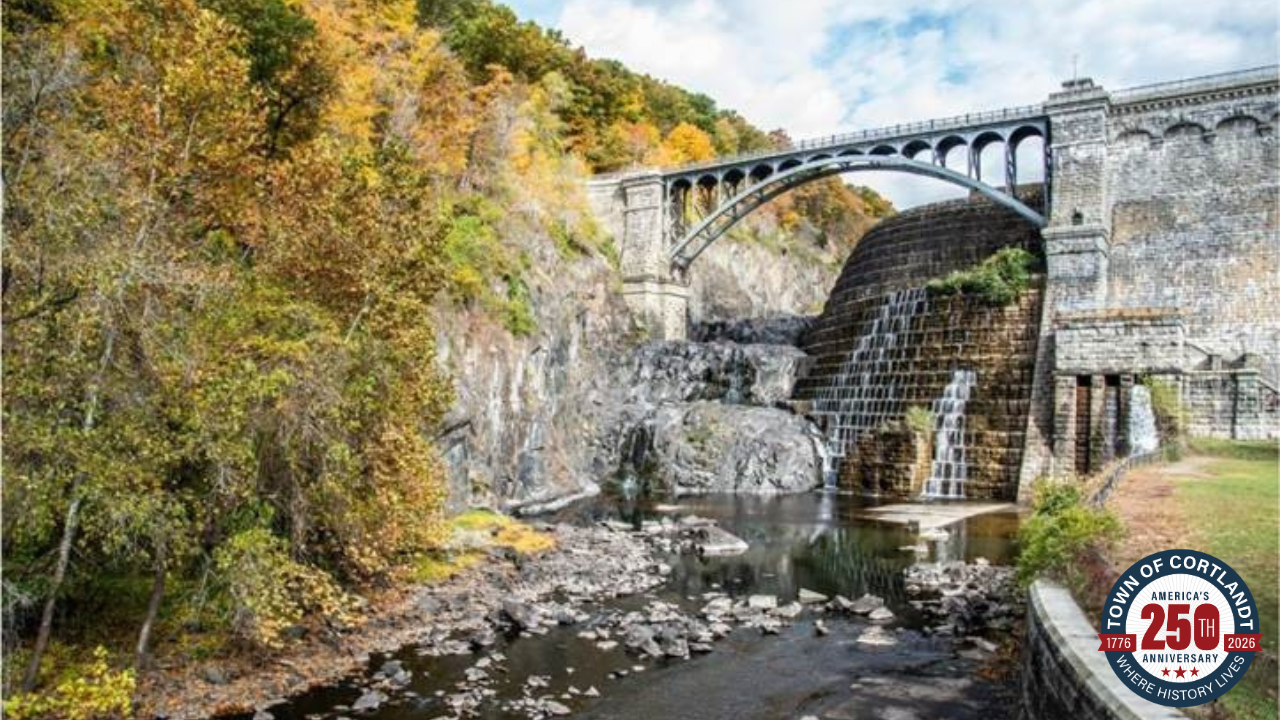
AND THE “NEW”: New Croton Aqueduct
Despite its size, the capacity of the Old Croton Aqueduct could not keep up with the growth of New York City, and construction on a New Croton Aqueduct began in 1885 a few miles east. The new aqueduct, buried much deeper than the old one, went into service in 1890, with three times the capacity of the Old Croton Aqueduct. It currently supplies 10 percent of New York City's water. The New Croton Aqueduct is part of the New York City water supply system, carrying the waters of the Croton Watershed from the New Croton Dam in Westchester County, New York, to the Jerome Park Reservoir in the Bronx. The old aqueduct remained in service until 1955, when supply from the Delaware and Catskill Aqueducts was sufficient to allow taking it off line. The newer aqueduct is a brick-lined tunnel, 13 feet (4.0 m) in diameter and 33 miles (53 km) long, running from the New Croton Reservoir in Westchester County to the Jerome Park Reservoir in the Bronx. Water flows then proceed toward the Croton Water Filtration Plant for treatment. Treated water is distributed to certain areas of the Bronx and Manhattan.
In the late 1990s, the city stopped using water from the Croton system due to numerous water quality issues. In 1997 the U.S. Environmental Protection Agency (EPA), the U.S. Department of Justice and the State of New York filed suit against the city for violating the Safe Drinking Water Act and the New York State Sanitary Code. The city government agreed to rehabilitate the New Croton Aqueduct and build a filtration plant. The filtration system protects the public from disease-causing microorganisms such as Giardia and Cryptosporidium. The Croton Water Filtration Plant was activated in May 2015. New York City temporarily stopped getting their water from Croton in the late 1990s, when the growing population caused the water quality to diminish, but the Aqueduct was rehabilitated with the addition of a filtration plant in 2015. It remains in use today.
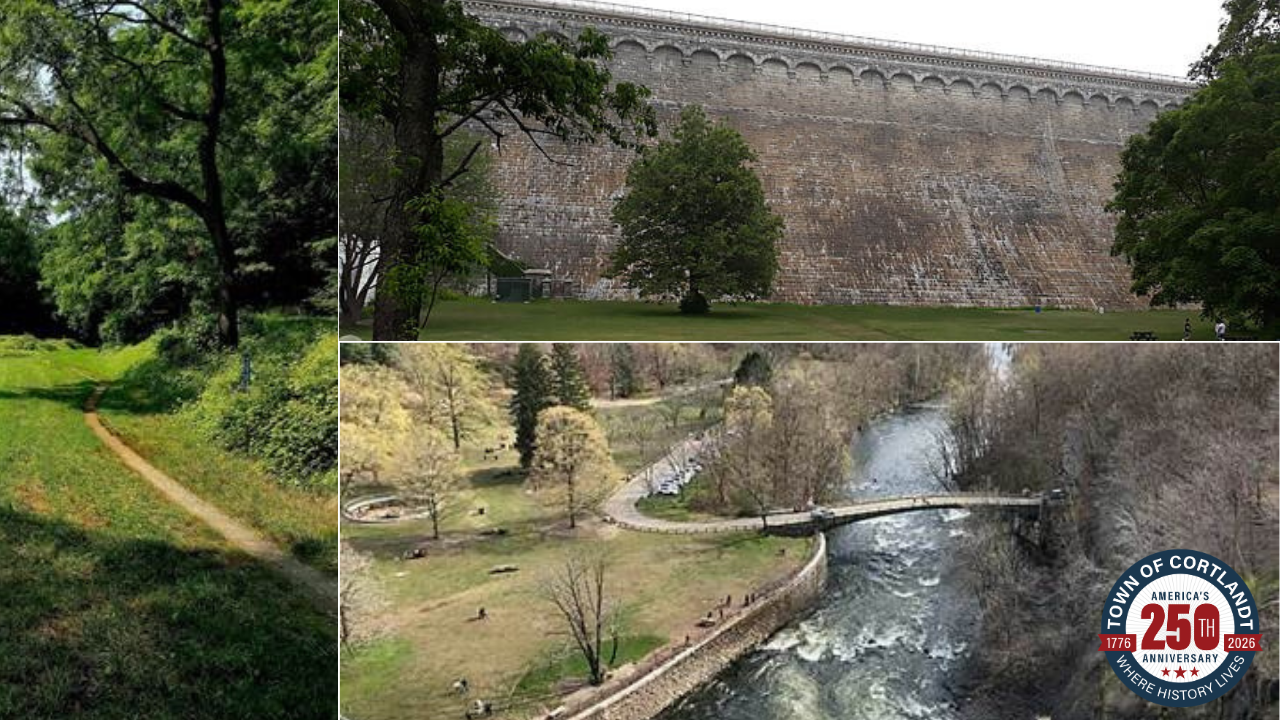
The Croton Aqueduct Trail: A park/trail along the old Aqueduct path
The Old Croton Trail extends for 26.2 miles (42.2 km) in Westchester County, providing public access along the old Aqueduct. The trail and the tunnel are part of the Old Croton Aqueduct State Historic Park, which was created in 1968 and encompasses the northernmost 26 miles, from Croton Gorge Park to the Yonkers-New York City line. It lies wholly within Westchester County but is under the jurisdiction of the Taconic Region of the New York State Office of Parks, Recreation and Historic Preservation. The trail enters New York City on the eastern side of Van Cortlandt Park; the aqueduct runs through the Bronx under Aqueduct Walk and alongside Aqueduct Avenue, and it continues under the southern part of University Avenue. Remnants of the aqueduct still exist and can be seen along the trail, including 21 of the original 33 stone ventilating towers (shafts), three stone weirs (chambers which were used to empty the aqueduct for maintenance), and one "Keeper's House" located in Dobbs Ferry.